AI · Field Notes
The Most Expensive AI Is the Cheap One
Plenty of people, and most companies, want the results of AI without spending a dollar on the best models or a minute learning to use them. It's a false economy - and the bill, paid in wasted hours, is bigger than the one they refused.
Here's the uncomfortable one almost nobody will say out loud.
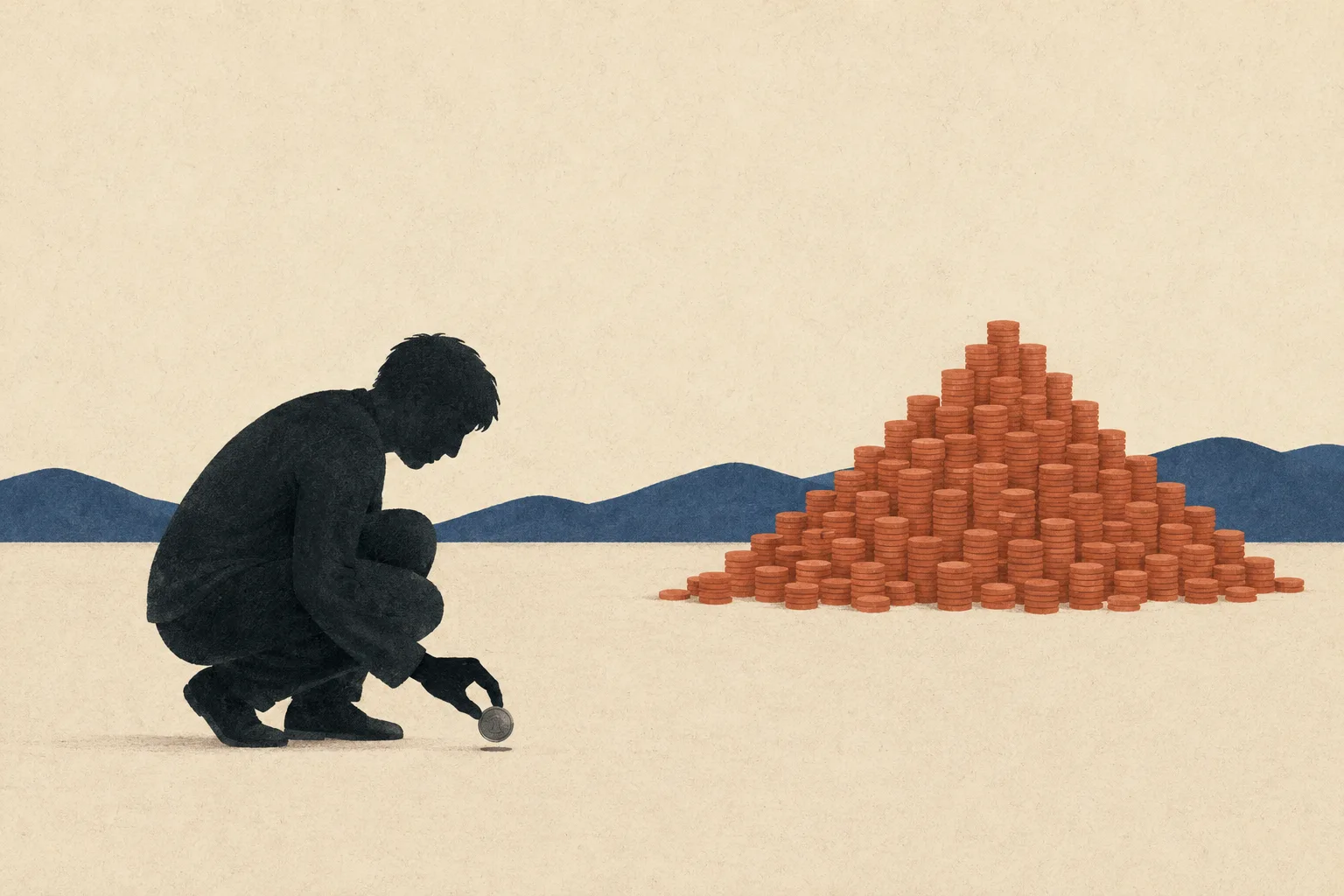
There's a kind of person - and a much larger kind of company - that wants what AI can do, badly, but refuses to spend two things on it: a single dollar on the best models, and a single hour of their own time learning to use them. They want the result without the investment. And it doesn't work, for the same reason it has never worked anywhere else.
Because AI right now is education. It behaves like a field of skill you have to actually acquire. Think of it as higher education the year it was invented - suddenly there's a thing that visibly makes people more capable, and the immediate human response is to look for the version that hands you the degree without the tuition and without the studying. There isn't one. There never is. You can't shortcut your way to a capability; you buy the tools and put in the hours, or you don't have it.
They want the result without the investment. It doesn't work, for the same reason it never works anywhere else.
The corporate version is where it gets genuinely expensive, and genuinely absurd. A company refuses to pay for the best model - too pricey, not in the budget - and then puts a room full of well-paid people on the cut-rate, free-tier, Temu-cheap alternative. Those people spend hours fighting a weaker tool, working around its mistakes, redoing what it got wrong. The cost of those hours, fully loaded, is far bigger than what the good model would have cost for the same people over a month. They saved a line item and spent a fortune. They just spent it somewhere the budget doesn't look.
That's the part nobody wants to hear, because it indicts how organisations actually decide. Model spend is a visible cost with a name on a bill. Wasted human hours are invisible - smeared across salaries already being paid, never tallied, never pinned on the decision that caused them. So the cheap choice always looks responsible on paper, and the expensive one always hides in plain sight.
I'm not saying spend recklessly. I'm saying the math is the opposite of what people assume. For anyone whose work touches AI, a few hours a month of the best models in the world costs less than the friction of the cheap ones - and far less than standing still while the people who did invest pull away.
If you want to be good at AI - or you're being asked to be - treat it like what it is: an education you pay for, in money and in time. The free version isn't free. It's just billed to a different account, and it costs more.